AIII #21: Repenser la réinsertion des anciens combattants pour construire la paix à l’Est de la RDC

Repenser la réinsertion des anciens combattants pour construire la paix à l’Est de la RDC (photo par l’auteur) Umbo Salama Plusieurs organisations ont soutenu le processus de désarmement, démobilisation et réinsertion (DDR) des anciens combattants. Avec des financements des organismes internationaux ou du gouvernement congolais, ce processus a connu trop des ratés. En Avril 2004, … Continue reading
AIII #20: Recalling the positives of the Congolese Army

Recalling the positives of the Congolese Army Benson Linje A lot has been written about the Forces Armées de la République Démocratique du Congo or FARDC, the national army of the Democratic Republic of Congo (DRC). Much of the literature out there is generally negative and paints a bad image of the army as being one of … Continue reading
AIII #19: Après 10 ans d’exile, Sadiki retrouve sa famille

Après 10 ans d’exile, Sadiki retrouve sa famille (photo par l’auteur) Ley Uwera La guerre et les conditions de vie extrêmement difficiles poussent des milliers de familles congolaises à fuir en République démocratique du Congo (RDC). Sadiki a 7 ans lorsque la guerre déclenchée par les rebelles du Congrès national pour la défense du peuple … Continue reading
AIII #22: Do the arts have a role to play in peacebuilding in Eastern Congo?

Do the arts have a role to play in peacebuilding in Eastern Congo? (picture by the author) Nadia Fazal In Goma, the slogan ‘art for peace’ has become mainstream in almost all arts-based activities (music festivals, theatre productions, dance competitions, film projections), including well-attended festivals such as Peace One Day and the Amani Festival. What … Continue reading
AIII #18: Re-engaging the Global: An Account of the Political and Economic Roots of Conflict in DRC
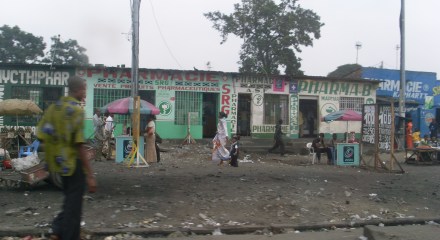
Re-engaging the Global: An Account of the Political and Economic Roots of Conflict in DRC (picture by the author) Marta Iñiguez de Heredia In the last few years there has been a shift in thinking about the roots of conflict in the DRC. From a focus on mineral wealth exploitation, the debate has shifted to … Continue reading
AIII #17: Why should the Government of the DRC prioritize SSR over DDR Programs?

Why should the Government of the DRC prioritize Security Sector Reform (SSR) over Disarmament, Demobilization, and Reinsertion (DDR) Programs? Mahaut de Talhouët Many articles have been written on the linkages between SSR and DDR, and how success in one of these fields is a prerequisite for success in the other. Research has also highlighted the … Continue reading
AIII #16: Du recours à la constitution d’une milice tribale, un moyen illicit de la protection des communautés en conflits
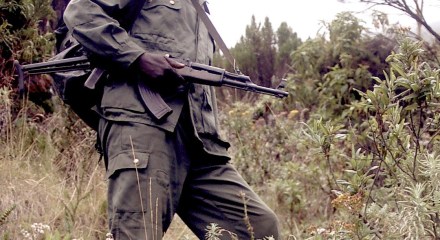
Du recours à la constitution d’une milice tribale, un moyen illicit de la protection des communautés en conflits Juvénal Twaibu En général, la question de la paix et la sécurité à l’est de la République Démocratique du Congo (RDC) demeure une épineuse préoccupation de tout acteur épris de bonne volonté et impliqué dans la recherche … Continue reading
AIII #15: Le déplacement massif de la communauté Banyamulenge et l’impact négatif de l’assistance humanitaire dans cette communauté

Le déplacement massif de la communauté Banyamulenge et l’impact négatif de l’assistance humanitaire dans cette communauté Rodrigue Rukumbuzi Les guerres consécutives dans les pays des grands lacs et plus particulièrement la République démocratique du Congo sont devenues une occasion de déplacement en masse ou d’exil pour les personnes de la communauté de Banyamulenge des … Continue reading
AIII #14: The social minefield of gold digging in Kamituga, South-Kivu
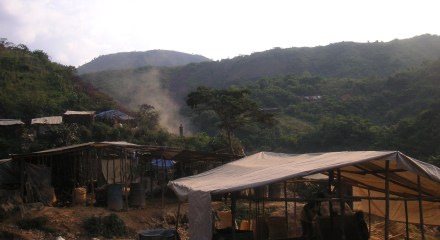
The social minefield of gold digging in Kamituga, South-Kivu (picture by the authors) Nik Stoop, Janvier Kilosho Buraye, and Marijke Verpoorten Artisanal and Small-scale Mining (ASM) is one of the most important livelihood strategies in DRC. A (gu)estimate by the World Bank puts employment in the artisanal mining sector in the range of 0.8 to … Continue reading
AIII #13: Cohabitation artisanat minier-exploitation industrielle : enjeux de paix et de sécurité au Sud-Kivu

Cohabitation artisanat minier-exploitation industrielle : enjeux de paix et de sécurité au Sud-Kivu (photo par l’auteur) Bulambo Mulonda Salammbô Il s’observe que le secteur minier artisanal en RDC serait actuellement confronté à la dualité informelle et formelle et les besoins pressants d’une cohabitation par l’interface de l’artisanat minier contribueraient bien plus à la gestion saine et transparente … Continue reading
 suluhu.org